Expert Advice On Gym Cleaning Practices
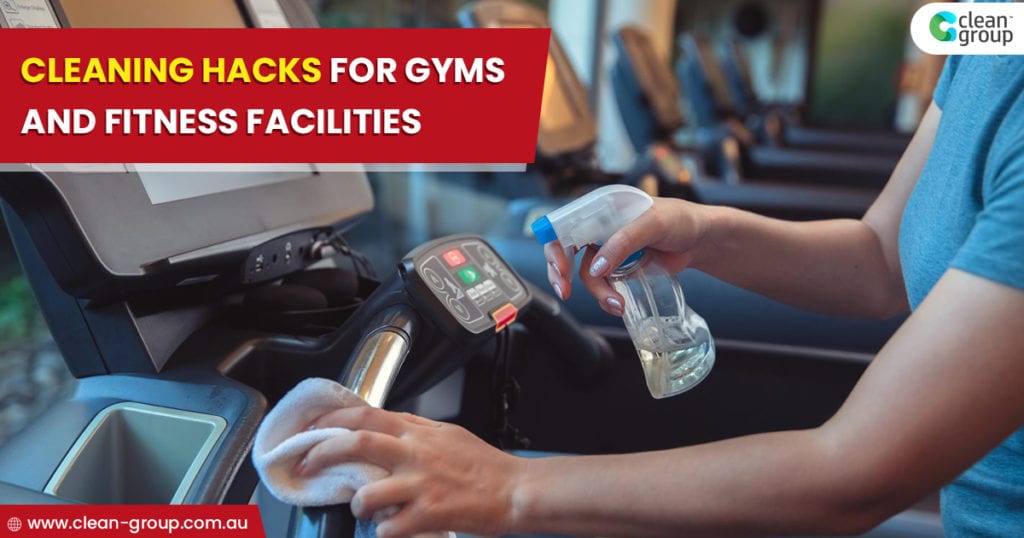
Maintaining Hygiene: Clean Group’s Pro Tips for Gym Sanitation gym cleaning Our gym cleaning team ensures top-quality results every time.
In the sweaty haven of fitness centers, cleanliness isn’t just a courtesy—it’s essential. Clean Group, a stalwart in commercial cleaning solutions, unveils expert strategies to ensure your gym remains a beacon of health and hygiene. From wiping down equipment to disinfecting high-touch surfaces, their battle-tested advice promises to keep germs at bay and members at ease. Look at this guide, where every tip is tailored to elevate your gym’s sanitation standards, safeguarding both patrons and reputation. Let’s embark on a journey toward a cleaner, safer workout environment, guided by the industry expertise of Clean Group.
The Importance of Gym Hygiene: Clean Group’s Insights
Maintaining a clean gym isn’t just about aesthetics—it’s crucial for the health and satisfaction of members. Clean Group underscores the importance of gym hygiene, emphasizing its direct impact on customer retention and the overall reputation of fitness facilities. From reducing the risk of illness transmission to enhancing the overall experience for patrons, prioritizing cleanliness is a non-negotiable aspect of running a successful gym. With their wealth of expertise in commercial cleaning solutions, Clean Group offers invaluable insights into why gym hygiene matters and how it can be effectively managed to ensure a safe and inviting environment for all.
Understanding the Risks: Common Germs Lurking in Gyms
Gyms are breeding grounds for various types of germs and bacteria, posing potential health risks to patrons. Clean Group sheds light on these common pathogens found in gym settings, ranging from bacteria like Staphylococcus aureus to viruses like the flu and rhinovirus. By understanding the risks associated with these germs, gym owners and staff can implement targeted cleaning protocols to mitigate their spread. Through comprehensive knowledge of common gym germs and their modes of transmission, Clean Group empowers fitness facilities to adopt proactive measures that prioritize the health and safety of their members.
Best Practices for Daily Gym Cleaning Routines
Consistent and thorough cleaning routines are essential for maintaining a sanitary gym environment. Clean Group shares expert advice on the best practices for daily cleaning, emphasizing tasks that should be performed regularly to uphold hygiene standards. From sanitizing equipment surfaces to disinfecting locker rooms and communal areas, adhering to a structured cleaning routine ensures that gyms remain safe and welcoming spaces for all members. By incorporating these practices into their daily operations, gym owners and staff can instill confidence in patrons, demonstrating a commitment to their health and well-being.
See our guide on gym cleaning.
Tips for Dealing with Sweat and Odor in Fitness Facilities
Sweat and odor are inevitable in fitness facilities, but with the right strategies, they can be managed effectively. Here are five tips from Clean Group to tackle sweat and odor issues in your gym.
- Increase Ventilation: Ensure proper airflow throughout the gym by opening windows and using fans or air conditioning. Improved ventilation helps reduce moisture and stale odors.
- Regular Equipment Cleaning: Wipe down equipment after each use to prevent sweat buildup and bacterial growth. Use disinfectant wipes or sprays to sanitize surfaces thoroughly.
- Freshen Locker Rooms: Keep locker rooms clean and odor-free by regularly cleaning floors, surfaces, and lockers. Use air fresheners or deodorizing products to maintain a pleasant environment.
- Laundry Management: Wash gym towels, mats, and other fabric equipment regularly to prevent odors and bacteria accumulation. Use a quality detergent and consider adding vinegar to eliminate stubborn odors.
- Hygiene Reminders: Encourage members to practice good hygiene by providing signage and reminders to shower before and after workouts, wear clean workout attire, and use personal hygiene products.
By implementing these tips, you can create a more pleasant and hygienic environment for your gym members. Clean Group understands the challenges of managing sweat and odor in fitness facilities and is here to support you in maintaining a clean and inviting space for everyone.
Staying Ahead: Proactive Measures to Maintain Gym Cleanliness
Prevention is key for maintaining cleanliness in your gym. Stay ahead of the game with these proactive measures recommended by Clean Group to uphold hygiene standards and minimize the risk of germs spreading.
- Implement Hand Sanitizer Stations: Place hand sanitizer stations throughout the gym to encourage members to sanitize their hands before and after using equipment, reducing the spread of germs.
- Train Staff on Cleaning Protocols: Ensure all staff members are trained on proper cleaning procedures and regularly reinforce the importance of thorough sanitation practices.
- Schedule Deep Cleanings: Regularly schedule deep cleanings for the gym, including thorough disinfection of equipment, floors, and high-touch surfaces to eliminate bacteria and viruses.
- Promote Personal Hygiene: Educate members on the importance of personal hygiene practices, such as wiping down equipment, using towels, and practicing good hand hygiene to prevent the spread of germs.
- Monitor and Maintain Supplies: Keep an eye on cleaning supplies and ensure they are regularly restocked. Having an adequate supply of disinfectants, wipes, and other cleaning products ensures that staff can maintain cleanliness effectively.
By taking proactive measures to maintain cleanliness, you can create a safer and more welcoming environment for gym members. Clean Group is committed to supporting your efforts in upholding hygiene standards and ensuring the well-being of everyone who visits your fitness facility.
Essential Tools and Products for Effective Gym Sanitation
Effective gym sanitation requires the right tools and products to get the job done. Clean Group highlights the essential equipment and cleaning solutions necessary for maintaining a clean and germ-free fitness facility. From EPA-approved disinfectants to microfiber cloths and mop heads designed for maximum efficacy, investing in the proper resources is crucial for achieving optimal cleanliness. Clean Group’s expertise in commercial cleaning solutions ensures that gym owners and staff have access to the best tools and products available, enabling them to uphold high standards of sanitation and create a safe environment for patrons to enjoy their workouts.
Targeting High-Touch Areas: Where Germs Thrive
High-touch areas in gyms are hotspots for germ transmission, making them a focal point for cleaning efforts. Clean Group identifies these high-risk areas, including door handles, exercise equipment handles, and cardio machine consoles, and emphasizes the importance of thorough cleaning and disinfection. By targeting these germ hotspots with regular and effective cleaning practices, gyms can significantly reduce the risk of illness transmission among patrons. Clean Group’s expertise in identifying and addressing high-touch areas ensures that fitness facilities can implement targeted cleaning protocols that prioritize the health and safety of their members, fostering a clean and hygienic workout environment.
Creating a Cleaning Schedule That Works for Your Gym
Establishing a customized cleaning schedule is essential for maintaining a clean and hygienic gym environment without disrupting operations. Clean Group offers guidance on creating a tailored cleaning plan that aligns with the unique needs and usage patterns of each fitness facility. By considering factors such as peak hours, foot traffic, and the types of equipment used, gym owners and staff can develop a schedule that ensures thorough cleaning and disinfection while minimizing disruption to members. With Clean Group’s expertise in commercial cleaning solutions, gyms can confidently implement a structured cleaning schedule that upholds hygiene standards and fosters a positive experience for patrons.
What Gym Cleaning Protocols Australian Fitness Facilities Must Follow in 2026
Every gym and fitness facility operating in Australia — whether a 24-hour franchise in Parramatta, a boutique studio in Bondi, or a council-operated leisure centre in Penrith — operates under the Work Health and Safety Act 2011. The person conducting a business or undertaking, the PCBU, has a primary duty of care to ensure the health and safety of workers and any other person who enters the workplace. For a gym, that includes every member, casual visitor, personal trainer, and staff member who walks through the door.
The WHS Regulations 2017 require the duty holder to manage risks arising from the condition of floors, the general working environment, and the facilities provided. SafeWork NSW applies these requirements to fitness facilities the same way it applies them to offices and warehouses — the obligation is not reduced because the business is a gym. Wet floors around pool areas, slippery change room tiles, and poorly ventilated group fitness rooms all represent documented hazards under the Regulations that the PCBU must identify, assess, and control.
The practical application of these requirements for gym cleaning protocols starts with a documented cleaning schedule that assigns every task to a frequency tier and names the responsible person. Daily protocols cover equipment wipe-downs after each use, floor mopping in wet areas, bathroom and change room sanitation, bin emptying, and high-touch surface disinfection on reception counters, pin pads, access card readers, and water fountain buttons. Weekly protocols include detailed equipment deep cleaning, mirror and glass cleaning throughout the facility, air conditioning return grille cleaning in group fitness rooms, and grout scrubbing in wet areas. Monthly and quarterly protocols add carpet extraction in office and reception zones, full equipment strip-down and sanitisation, window washing, and a comprehensive facility condition audit.
Fitness Australia — the national peak body for the fitness industry — publishes facility management guidelines that recommend documented cleaning protocols, trained cleaning staff, and regular hygiene audits as baseline requirements for member safety. The Cleaning Accountability Framework publishes benchmark standards for commercial cleaning that apply to fitness facilities. At Clean Group, every gym cleaning program we deliver in Sydney is built around the WHS Act requirements and Fitness Australia guidelines — because a gym that treats cleaning as an afterthought creates both a safety liability and a membership retention problem.
What Products and Supplies Professional Gym Cleaners Use to Disinfect Equipment and Surfaces
The question gym owners and facility managers in Sydney ask most often about cleaning supplies is straightforward: what products actually work in a gym environment where sweat, body oils, and high foot traffic create contamination levels that a standard office never experiences? The answer depends on the surface type, the contamination risk, and the regulatory framework that governs disinfectant claims in Australia.
Every disinfectant product used in a commercial gym in Australia must be registered with the Therapeutic Goods Administration if the manufacturer makes a disinfection or sanitisation claim. The TGA maintains the Australian Register of Therapeutic Goods, and any product claiming to kill bacteria or viruses on surfaces must hold an ARTG listing number. This is not optional — it is a legal requirement under the Therapeutic Goods Act 1989. A gym using an unregistered product that claims to disinfect is using a product that has not been assessed for efficacy by the Australian regulator.
For gym equipment surfaces — weight machines, cardio equipment handles, bench pads, and cable attachments — professional gym cleaners use a quaternary ammonium compound-based disinfectant diluted to the manufacturer’s specified concentration. Quaternary ammonium compounds, commonly called quats, are effective against a broad spectrum of bacteria and enveloped viruses at contact times of five to ten minutes, and they are compatible with the vinyl, rubber, and painted metal surfaces found on commercial gym equipment. Alcohol-based disinfectants — typically 70 percent isopropyl alcohol solutions — are used for rapid disinfection of small high-touch surfaces like pin selection plates, adjustment knobs, and touchscreen displays where quick evaporation is needed.
Floor cleaning in gym environments requires a different approach depending on the surface. Rubber gym flooring in free weights areas is cleaned with a neutral pH detergent and a microfibre flat mop to avoid residue buildup that creates slip hazards. Timber sprung floors in group fitness studios require a specialist floor cleaner that does not leave a film or affect the floor’s traction properties. Wet area tiles in change rooms and pool surrounds are cleaned with a chlorine-based cleaner that addresses mould, soap scum, and body oils simultaneously.
The cleaning supplies budget for a mid-size gym in Sydney — 500 to 1,500 square metres of floor area — typically runs between $300 and $800 per month for chemicals, consumables, and disposable supplies. This includes disinfectant concentrate, floor cleaning solution, glass cleaner, toilet and bathroom cleaning chemicals, hand soap and sanitiser for dispensers, paper towels and toilet rolls, bin liners, and microfibre cloths and mop heads. At Clean Group, we supply all cleaning supplies as part of our gym cleaning contracts — ensuring every product used in the facility meets TGA registration requirements and is fit for the specific surface it is applied to.
Common Hygiene Hazards in Gym Facilities and How to Manage Them Under WHS Requirements
A gym is one of the highest-risk commercial environments for hygiene hazards in any Australian city. The combination of shared equipment, high foot traffic, perspiration, close physical contact in group classes, and warm humid conditions in wet areas creates an environment where bacteria, fungi, and viruses transfer between surfaces and people at rates that most other commercial premises never approach.
The most documented hygiene hazard in gym facilities is dermatophyte fungal infection — tinea pedis (athlete’s foot), tinea corporis (ringworm), and tinea cruris (jock itch). These fungal infections thrive in the warm, damp conditions found in gym change rooms, shower areas, and pool surrounds. The National Health and Medical Research Council identifies shared wet areas as high-risk environments for dermatophyte transmission, and the primary control measure is regular cleaning and disinfection of wet area surfaces combined with adequate drainage and ventilation. A gym change room that is mopped once daily with a detergent solution but never treated with a fungicidal disinfectant is not adequately controlling this hazard.
Staphylococcus aureus — including methicillin-resistant Staphylococcus aureus, MRSA — is the second major hygiene concern in gym environments. Staph bacteria transfer via skin-to-surface contact on shared equipment, particularly weight benches, yoga mats, and resistance machine pads. Studies published in the International Journal of Environmental Research and Public Health have documented Staph colonisation rates on gym equipment surfaces that exceed those found in hospital waiting rooms. The control measure is a documented equipment disinfection protocol using a TGA-registered disinfectant with proven efficacy against Staphylococcus species at the recommended contact time.
The WHS Act 2011 requires the PCBU to identify hazards, assess risks, and implement control measures using the hierarchy of controls. For a gym, the hierarchy applies as follows: elimination — removing contamination sources where possible through equipment design and material selection; substitution — using antimicrobial surface materials on high-touch equipment; engineering controls — installing adequate ventilation in group fitness rooms and dehumidification in wet areas; administrative controls — implementing documented cleaning protocols, member hygiene signage, and equipment wipe-down stations; and personal protective equipment — providing disposable towels and hand sanitiser at equipment stations.
SafeWork NSW can inspect any gym in Greater Sydney and request evidence that the operator has identified hygiene hazards and implemented appropriate control measures. A documented cleaning protocol with time-stamped cleaning logs, a registered disinfectant inventory, and evidence of staff training in cleaning procedures provides the compliance evidence that SafeWork inspectors look for. At Clean Group, every gym cleaning contract includes a hazard-specific cleaning protocol, a TGA-compliant disinfectant program, and documented cleaning logs that the facility operator can present at any WHS inspection.
Frequently Asked Questions
What are the best practices for gym cleaning protocols in Australian fitness facilities?
Best practices for gym cleaning in Australia start with a documented cleaning schedule that assigns every task to a frequency tier — daily equipment wipe-downs and floor cleaning, weekly deep equipment cleaning and grout scrubbing, monthly carpet extraction and air conditioning maintenance, and quarterly full facility audits. All disinfectants must hold TGA registration on the Australian Register of Therapeutic Goods. The WHS Regulations 2017 require the PCBU to manage risks from floor conditions, ventilation, and general housekeeping — and a documented cleaning protocol with time-stamped logs is the primary evidence of compliance.
How does a fitness facility maintain standards of cleanliness throughout the day?
A fitness facility maintains cleanliness standards through a tiered cleaning program that operates across multiple shifts. Morning pre-opening cleaning covers bathroom restocking, floor mopping, and equipment inspection. During operating hours, staff or contracted cleaners perform scheduled equipment wipe-downs, bathroom checks every two to three hours, and spot cleaning of spills and high-traffic areas. After-hours cleaning covers comprehensive floor cleaning, detailed equipment disinfection, change room deep cleaning, and consumable restocking. A supervisor verifies task completion at each checkpoint against the documented scope of works.
What cleaning products should gyms use to disinfect equipment safely?
Gyms should use TGA-registered disinfectants with proven efficacy against bacteria and viruses at the manufacturer’s specified contact time. Quaternary ammonium compound-based disinfectants are the most common choice for gym equipment surfaces — they are effective against a broad pathogen spectrum and compatible with vinyl, rubber, and metal surfaces. Alcohol-based disinfectants at 70 percent concentration are used for rapid disinfection of small high-touch surfaces. Floor cleaning requires surface-specific products — neutral pH detergent for rubber flooring, specialist solutions for timber sprung floors, and chlorine-based cleaners for wet area tiles.
What are the main hygiene hazards in a gym facility?
The primary hygiene hazards in gym facilities are dermatophyte fungal infections including tinea pedis and ringworm transmitted through shared wet areas, Staphylococcus aureus including MRSA transmitted through skin-to-surface contact on shared equipment, respiratory pathogens circulated through inadequate ventilation in group fitness rooms, and slip hazards from wet floors in change rooms and pool areas. The WHS Act 2011 requires gym operators to identify these hazards, assess the risk, and implement control measures using the hierarchy of controls — from elimination through to administrative controls and personal protective equipment.
How often should commercial gym equipment be professionally deep cleaned?
Commercial gym equipment should receive a professional deep clean at minimum quarterly — every three months — to supplement the daily and weekly cleaning program. The quarterly deep clean covers full equipment strip-down, pad and upholstery sanitisation, cable and pulley mechanism cleaning, and frame degreasing. High-use cardio equipment in busy Sydney gyms may benefit from monthly deep cleaning cycles. The deep clean addresses contamination that daily wipe-downs cannot reach — including bacteria harboured in seams, joints, and adjustment mechanisms — and extends the functional life of the equipment.
Conclusion
Prioritizing cleanliness in your gym is not just about aesthetics—it’s about safeguarding the health and well-being of your members. With the expert advice provided by Clean Group, you can implement effective cleaning practices that ensure a safe and hygienic environment for everyone. From understanding common germs lurking in gyms to implementing daily cleaning routines and proactive measures, every step is important in maintaining cleanliness standards. By staying ahead of sweat and odor issues, implementing proactive measures, and promoting personal hygiene, you can create a gym space where members feel confident and comfortable pursuing their fitness goals.
Ready to elevate your gym’s cleaning practices? Contact Clean Group today for tailored cleaning solutions in Sydney. With our expertise and commitment to excellence, we’ll help you achieve and maintain the highest standards of cleanliness. Reach out to us at 0291607469 to schedule a consultation and take the first step towards a cleaner, healthier gym environment.
For more helpful insights, explore our guide on expert tips for gym cleaning and maintenance.
About the Author

Suji Siv
/


Hi, I'm Suji Siv, the founder, CEO, and Managing Director of Clean Group, bringing over 25 years of leadership and management experience to the company. As the driving force behind Clean Group’s growth, I oversee strategic planning, resource allocation, and operational excellence across all departments. I am deeply involved in team development and performance optimization through regular reviews and hands-on leadership.
Read More About Suji 0291607469
 Get A Quote